- Phone: +86-571-82758671
- Email: sales@hzsbtex.com


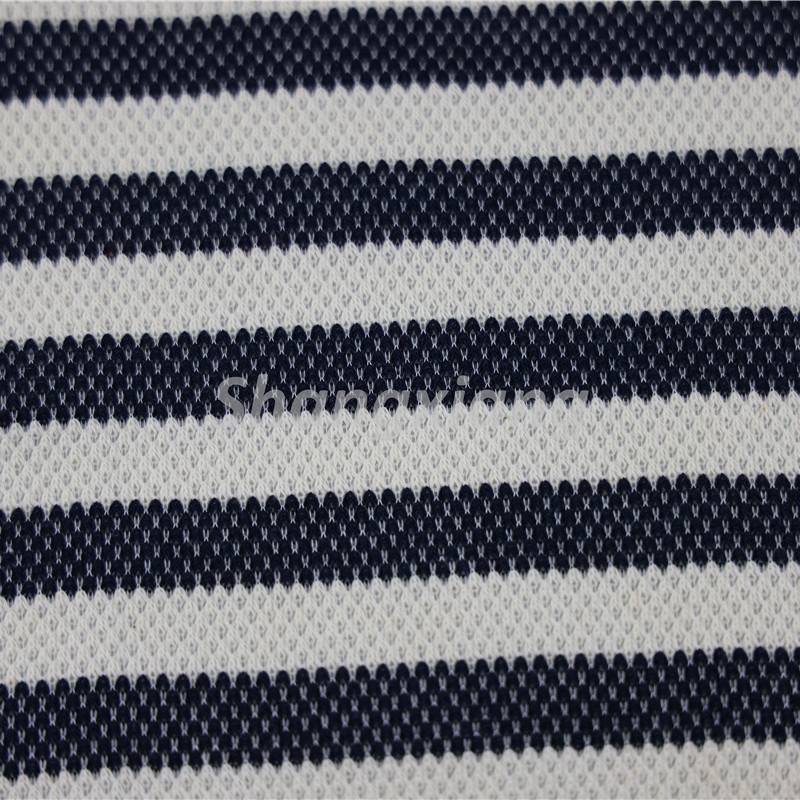
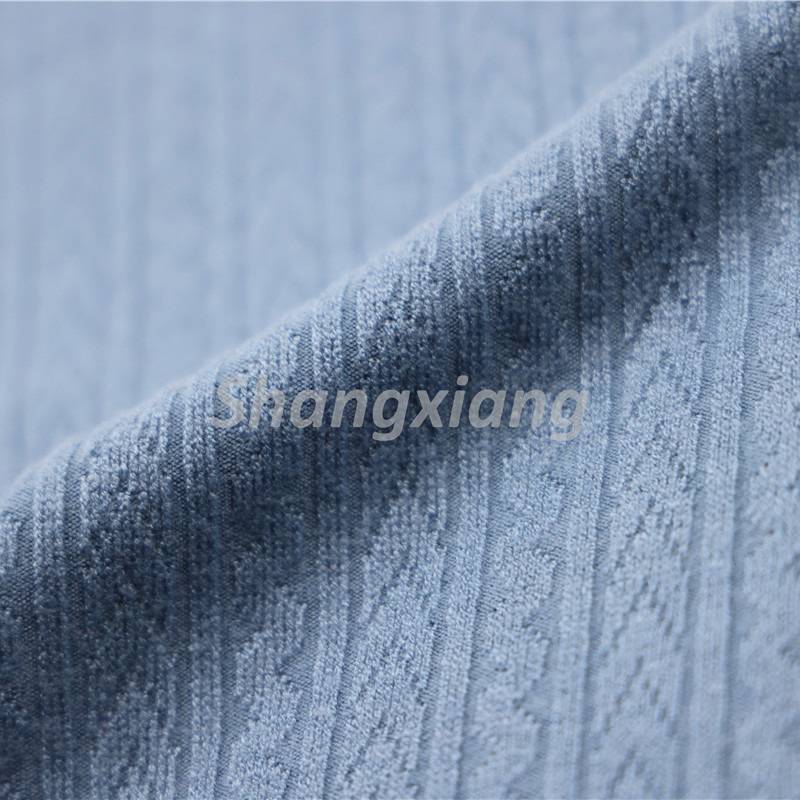
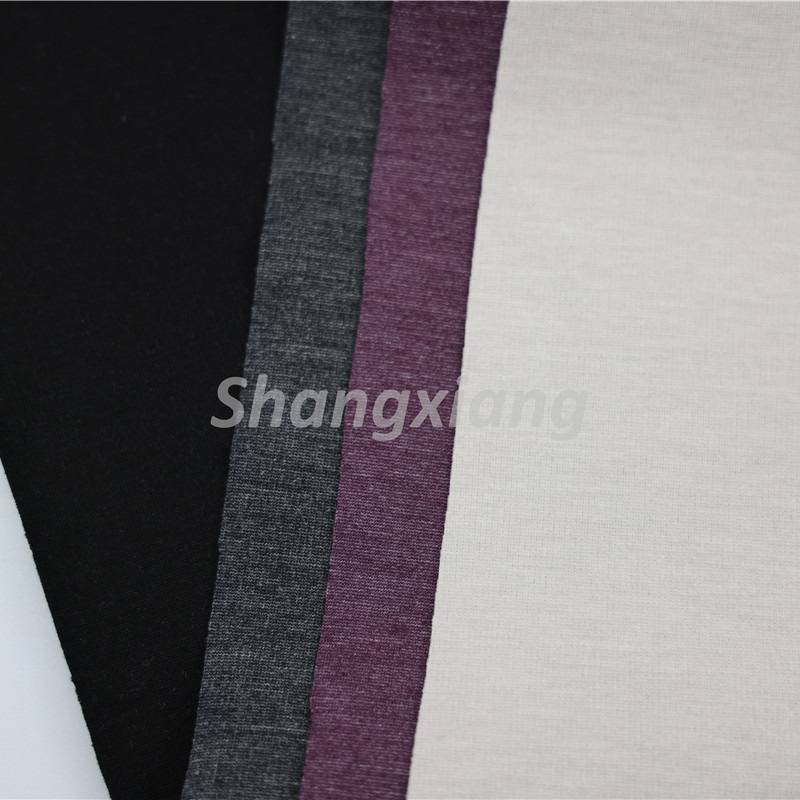
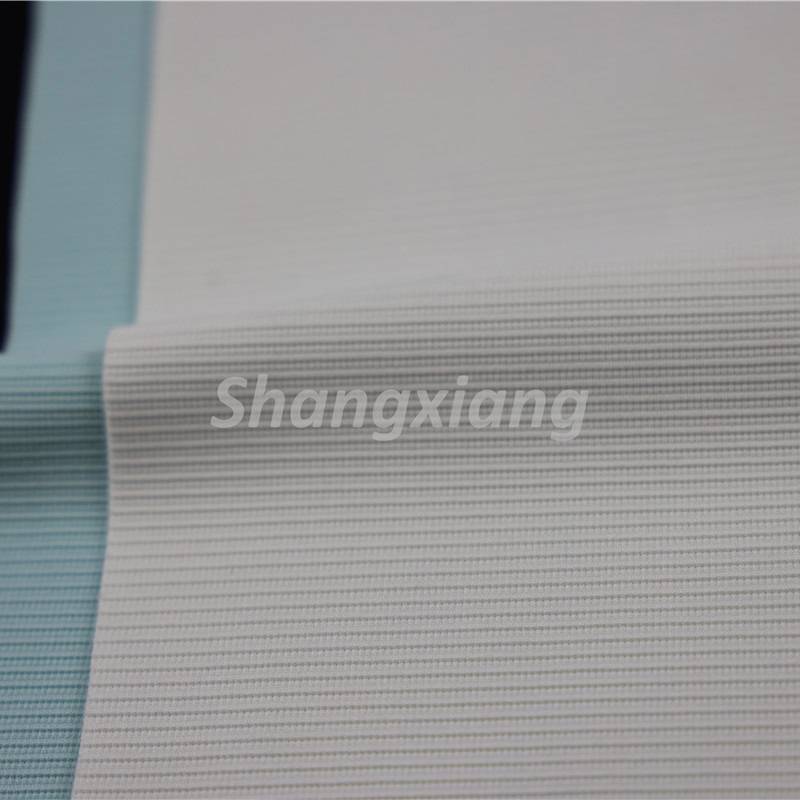
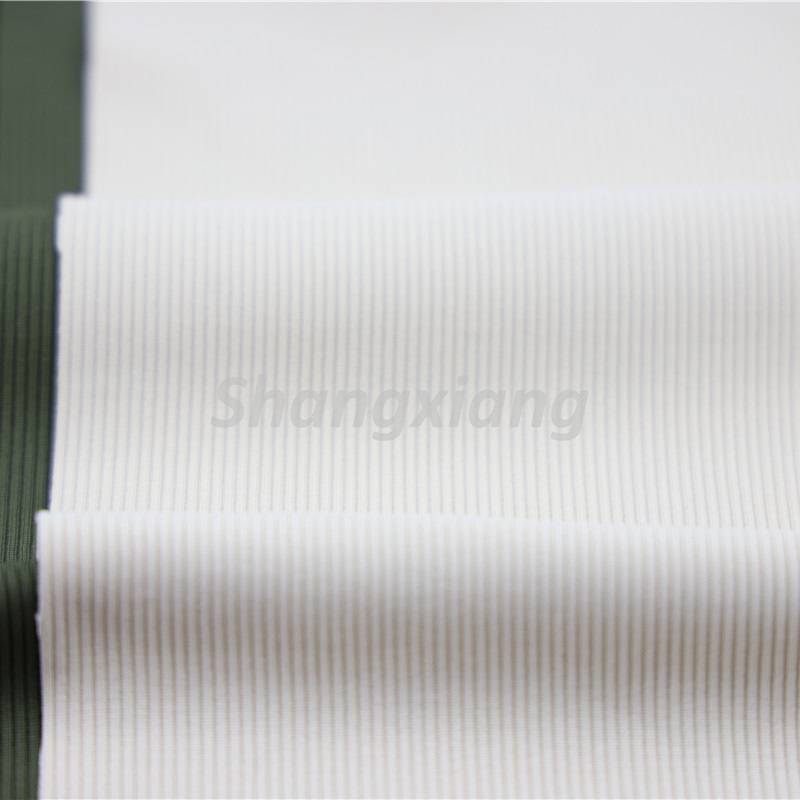
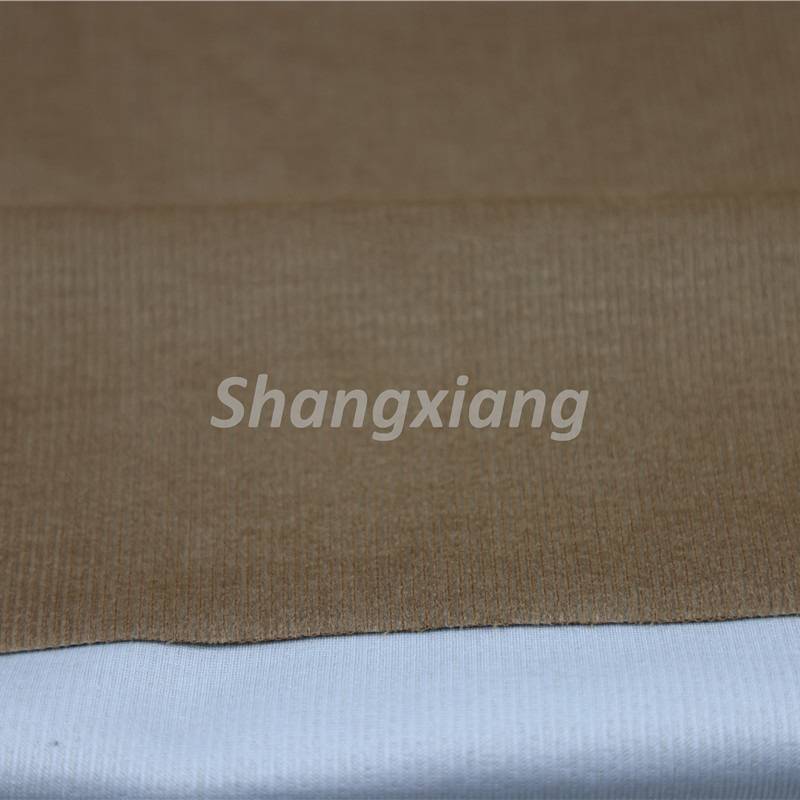
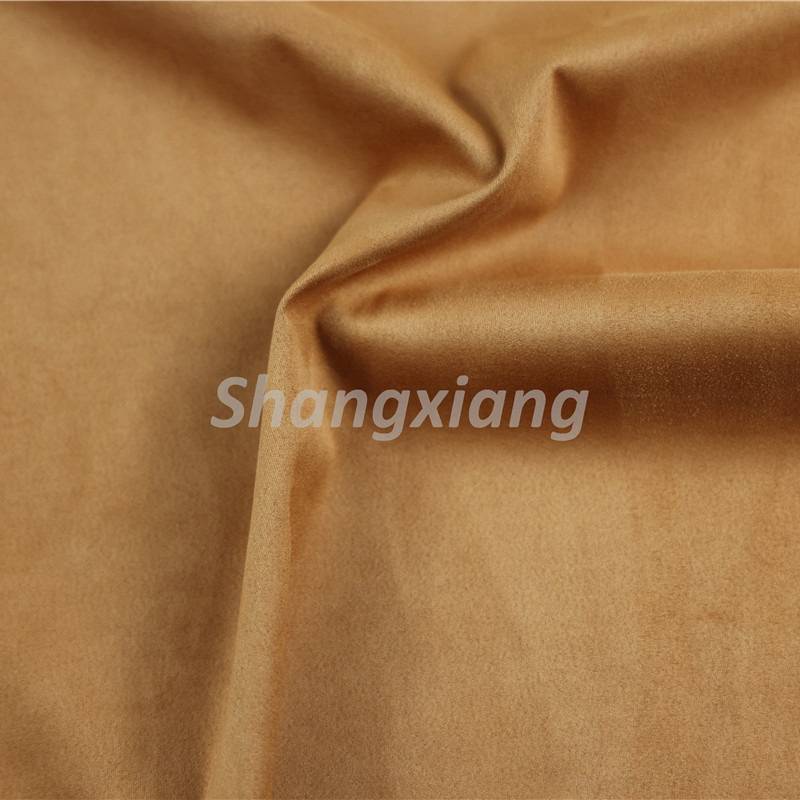
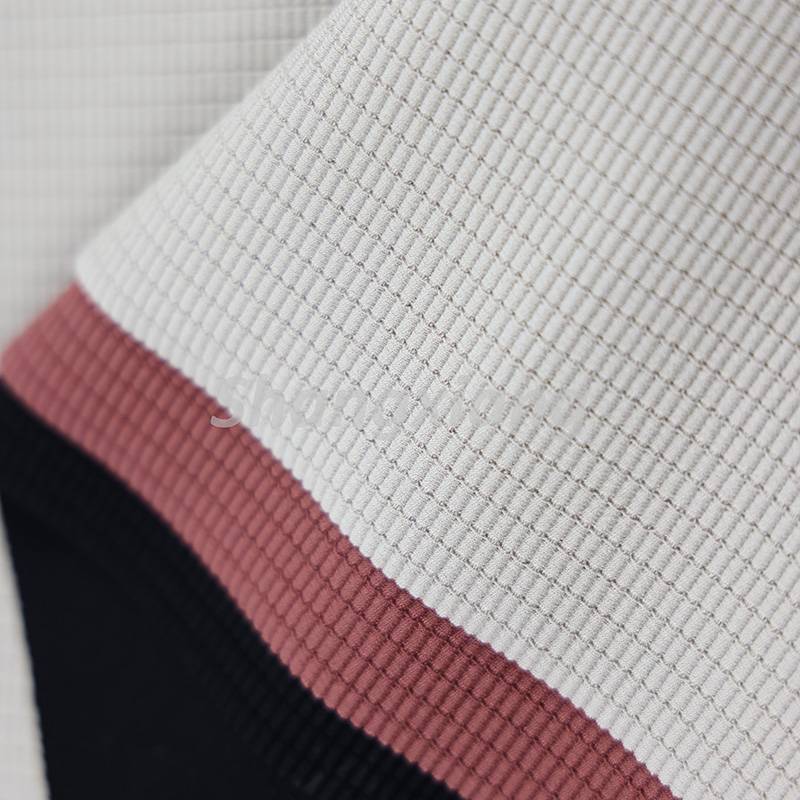
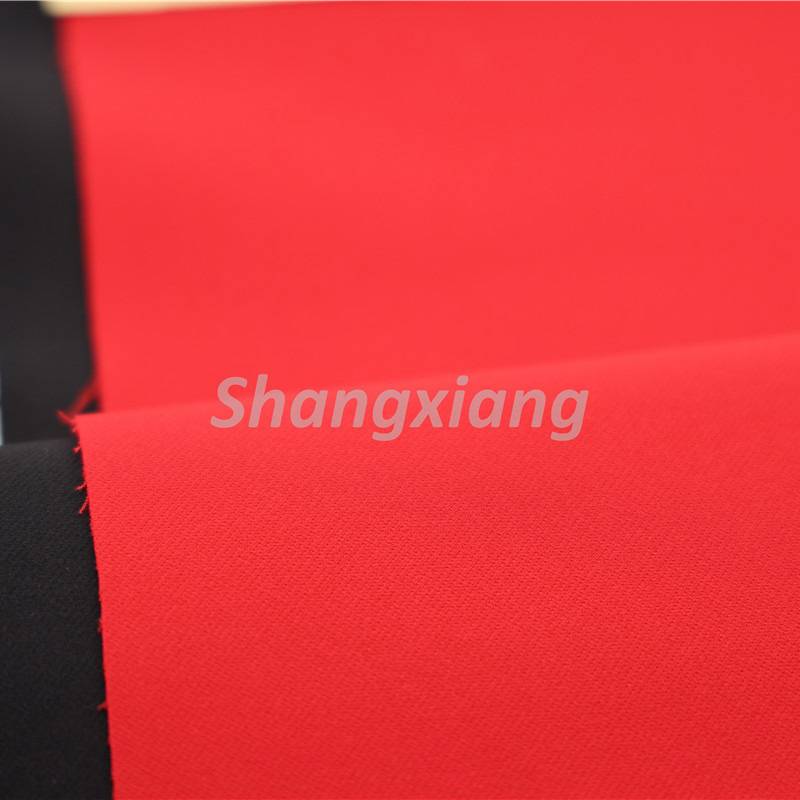
When I think about high-quality white knit fabric, I imagine the perfect blend of softness and durability that suits a variety of applications. Sourced from reliable manufacturers in China, this fabric is not just about aesthetics; it's about performance too. Whether you're designing activewear, home textiles, or fashionable apparel, you'll find this fabric versatile and easy to work with. I know that as a B2B purchaser, you’re looking for materials that can stand the test of time while also meeting your clients' expectations. This white knit fabric offers great breathability and stretch, making it ideal for any project. Plus, working directly with manufacturers in China ensures competitive pricing without compromising quality. Let me help you elevate your product line with this exceptional fabric that can really make a difference!
As we step into 2025, the world of textiles is experiencing a remarkable surge in popularity for white knit fabrics. This trend is not merely a passing phase; it represents a shift in consumer preferences, driven by a growing demand for versatility, comfort, and sustainability in fashion. The lightweight and breathable nature of white knit makes it an ideal choice for a variety of applications, from casual wear to high-fashion garments. Its ability to blend seamlessly with other materials and colors enables designers to create fresh and innovative styles that captivate consumers. Moreover, the eco-conscious movement is playing a vital role in the adoption of white knit fabrics. As brands strive to embrace sustainable practices, the increased use of recycled fibers and eco-friendly production techniques has made white knit fabrics more accessible. This not only satisfies the consumer's desire for stylish yet responsible choices but also presents significant opportunities for suppliers and manufacturers to meet the ethical standards that global markets are beginning to demand. For international buyers, investing in white knit fabrics now offers a competitive edge in the ever-evolving fashion landscape. Whether for seasonal collections or year-round staples, this material's adaptability will undoubtedly keep it at the forefront of trends in textiles. By aligning with this shift, stakeholders can position themselves advantageously, ensuring they cater to the market's future needs while contributing positively to the industry's sustainability goals.
| Type | Texture | Weight (g/m²) | Applications | Sustainability Score |
|---|---|---|---|---|
| Cotton Blend | Soft and Stretchy | 200 | Activewear, Casual Clothing | 85% |
| Acrylic | Smooth and Lightweight | 150 | Sweaters, Accessories | 70% |
| Polyester | Durable and Wrinkle-Resistant | 180 | Sports Apparel, Home Textiles | 60% |
| Bamboo Fiber | Soft and Eco-friendly | 170 | Undergarments, Bedding | 90% |
| Hemp | Textured and Strong | 220 | Sustainable Fashion, Upholstery | 95% |